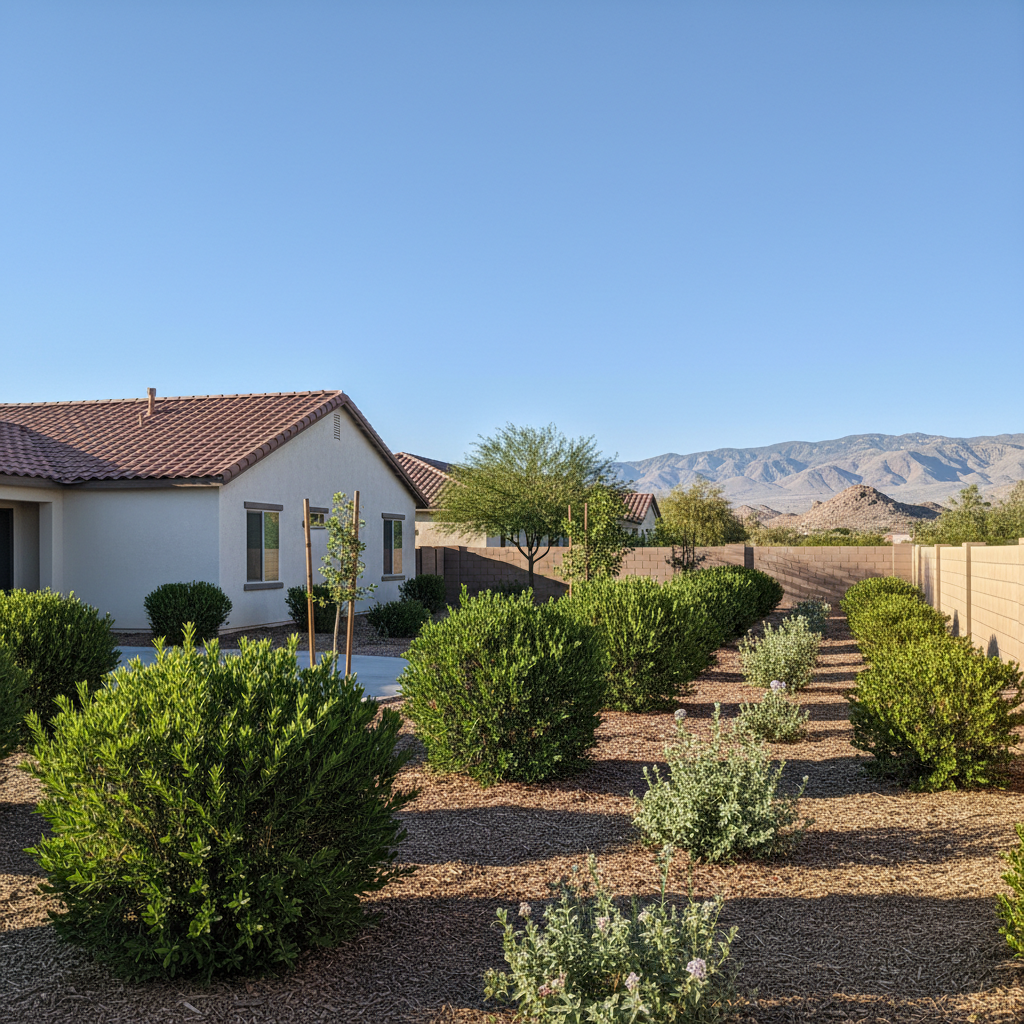
So, you just had your shrubs and bushes trimmed, maybe by us at Desert Hot Springs Tree Service, or another crew. They're looking good, sharp lines, healthy growth. But that's not the end of the story, is it? You want that look to last, and you want your plants to stay healthy in this Desert Hot Springs heat. It's not just about the initial cut; it's about what you do afterward.
Extending the Life of Your Trimming Work
Think of it like getting a haircut. You don't just walk out and never touch it again, right? Same goes for your shrubs. The best way to extend the life of a professional trim is to keep an eye on new growth and understand the plant's natural shape. We've already set the foundation, now you're just maintaining it.
First off, don't let them get too wild again. A little snip here and there, often called 'tipping' or 'shearing' for formal hedges, can keep things tidy. This is especially true for fast-growing varieties that just love to shoot out new branches. For a lot of the desert-adapted plants we see around here, like Oleander or Bougainvillea, they can put on a surprising amount of growth really fast once the weather warms up.
Watering correctly is huge, too. Overwatering can lead to leggy, weak growth that quickly ruins the shape we worked to create. Underwatering, especially during our long, hot summers, stresses the plant and makes it more susceptible to disease, which means more dead branches to cut out later. Know your plant's needs; a lot of folks in the newer developments on the west side of town have drip systems, and it's easy to just set it and forget it. But those settings might need tweaking depending on the season and plant type.
What Regular Maintenance Looks Like
Regular maintenance for shrubs and bushes in our climate isn't rocket science, but it does require consistency. Here's what I recommend:
- Weekly Check-Ins: Just a quick walk around your property. Look for anything that seems off. Are there any branches growing way out of line? Any discolored leaves?
- Light Pruning (Monthly/Bi-Monthly): For most formal hedges or shrubs you want to keep a specific shape, a light trim every month or two during the growing season can make a big difference. You're just taking off the very tips of new growth. This encourages denser foliage and keeps that neat appearance. For more natural, informal shrubs, you might only need to do this a few times a year.
- Deadheading: If your shrubs flower, like roses or certain types of Lantana, removing spent blooms (deadheading) can encourage more flowering and keep the plant looking fresh. It also prevents the plant from putting all its energy into seed production.
- Watering & Fertilizing: Keep an eye on the soil moisture. Our sandy soil drains fast. Deep, infrequent watering is usually better than shallow, frequent watering. Fertilize according to your plant's specific needs, typically in spring and maybe again in fall. Don't overdo it, especially with nitrogen, or you'll get a ton of soft, weak growth.
- Weed Control: Weeds compete for water and nutrients, which are already precious commodities out here. Keep your shrub beds clear.
Warning Signs of Problems
Your plants will tell you when something's wrong, you just need to know what to look for. Don't ignore these signals:
- Sudden Wilting or Drooping: This is often a sign of insufficient water, but it could also mean root rot if the soil is constantly wet.
- Discolored Leaves: Yellowing leaves can indicate nutrient deficiencies or overwatering. Brown, crispy leaves usually mean underwatering or sun scorch, which is common on the south-facing sides of plants during our summer.
- Spotting or Unusual Growths: Fungal diseases can cause spots, powdery mildew, or strange growths. Pests like aphids or scale can leave sticky residues or visible insects.
- Branches Dying Back: If sections of your shrub are suddenly turning brown and dying, it could be a disease, a pest infestation, or severe water stress.
- Sparse or Leggy Growth: This might mean it's not getting enough sunlight, or it's been improperly pruned in the past, leading to weak, stretched-out branches.
When to Call a Professional
Look, I'm all for DIY, but there are times when you really should call in the pros. Here's when to pick up the phone:
- Major Overgrowth: If your shrubs have gotten completely out of control and you can't see the original shape anymore, it's a big job. We have the right tools and knowledge to bring them back without damaging the plant.
- Disease or Pest Infestation: If you're seeing those warning signs and you're not sure what it is, or if it's spreading, a professional arborist or plant health care specialist can diagnose and treat the issue properly. You don't want to accidentally spray the wrong thing and make it worse.
- Hard-to-Reach Areas: Got a huge hedge along a fence line, or a shrub that's grown into power lines? Don't risk it. We've got the equipment to do it safely.
- Renovation Pruning: Sometimes a shrub needs a serious cutback to rejuvenate it. This is a specialized skill; do it wrong, and you could kill the plant.
- You're Just Too Busy: Life happens. If you don't have the time or energy to keep up with it, that's what we're here for. We'll keep your landscape looking sharp so you don't have to worry about it.
Keeping your shrubs healthy and looking great in Desert Hot Springs takes a little effort, but it's totally worth it. A well-maintained landscape adds curb appeal and value to your home, and it's just plain nicer to look at. Don't hesitate to reach out if you need a hand or have questions about your specific plants.