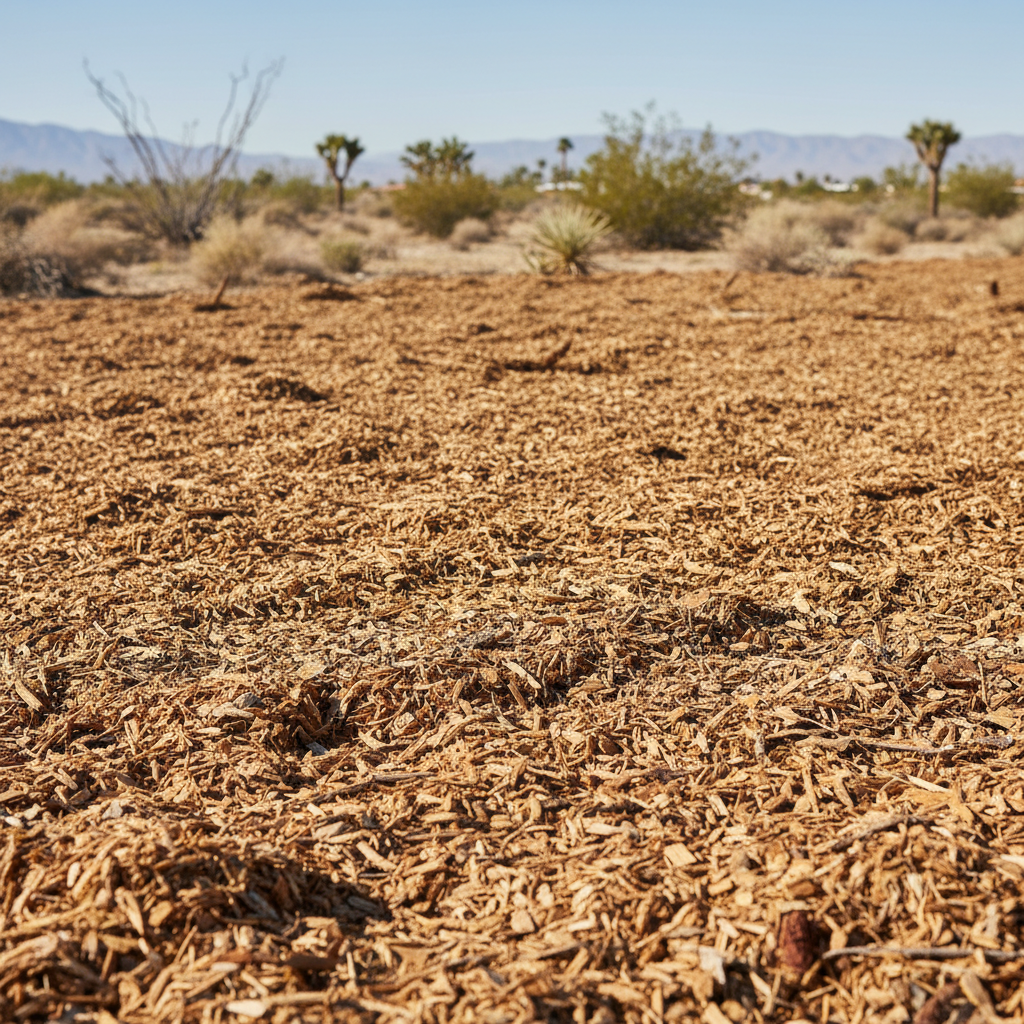
Thinking about clearing that overgrown lot?
It's a big job, no doubt about it. Whether you've just bought a new piece of land or your existing property has gotten a little wild, lot clearing can feel overwhelming. Here in Desert Hot Springs, with our unique desert landscape and sometimes surprising growth spurts after a good rain, it's something I see homeowners tackle often. But before you rent a bobcat or start swinging an axe, let's break down what you really need to know.
Before You Start: Planning & Permits
First things first: don't just dive in. You've got to plan. What's your end goal? Are you building? Just want to reduce fire risk? Creating a new garden space? Your objective will dictate the scope of work. Then, and this is crucial, check with the City of Desert Hot Springs planning department. You might need permits, especially if you're dealing with larger trees or significant earth disturbance. Trust me, getting caught without the right paperwork is a headache you don't want. Also, know your property lines. You don't want to accidentally clear your neighbor's land – that's a whole different kind of problem.
Think about the types of vegetation you're dealing with. We've got everything from stubborn creosote bushes and mesquite trees to various invasive weeds that just love our sandy soil. Identifying what's there helps you figure out the right tools and approach.
What You Can Handle Yourself (DIY Lot Clearing)
For smaller jobs, or if you're just tidying up an already somewhat maintained area, DIY is definitely an option. Here's what you can usually tackle:
- Weed Removal: For annual weeds and smaller brush, good old-fashioned pulling, hoeing, or using a weed whacker works. Just be prepared for them to come back if you don't address the roots.
- Small Shrub & Bush Removal: If they're not too big and don't have deep, established root systems, you can often dig these out with a shovel and some elbow grease. Make sure you get as much of the root ball as possible.
- Debris Cleanup: Picking up rocks, fallen branches, and general trash is always a DIY job.
- Light Pruning: If there are small branches or dead limbs on existing trees that need to go, and you can reach them safely from the ground or a stable ladder, you can prune them yourself. Just make sure you know proper pruning techniques to avoid damaging the tree.
Always wear appropriate safety gear: heavy gloves, long sleeves, eye protection, and sturdy boots. The desert has plenty of thorns and critters you don't want to mess with.
When to Call in the Pros (Desert Hot Springs Tree Service)
There's a point where DIY stops being practical or safe, and that's when you need to bring in the experts. Don't be a hero; it's just not worth the risk. Here are some clear signs you need professional help:
- Large Trees: Any tree that requires a ladder, has branches overhanging structures, or is simply too big to safely fell on your own. This is especially true for our native desert trees like palo verdes or ironwoods, which can be surprisingly dense and heavy.
- Dense Overgrowth: If your lot is a jungle of thick brush, thorny plants, or a mix of various undesirable species, a professional crew with heavy equipment (like brush hogs or excavators) will clear it much faster and more efficiently.
- Stump Removal: While you can try to dig out small stumps, larger ones are a nightmare. Professional stump grinding is the way to go.
- Fire Prevention: If you're clearing for fire breaks, especially near your home or other structures, you want it done right and thoroughly. Pros understand defensible space requirements.
- Steep Slopes or Difficult Terrain: Our hillsides can be tricky. If the ground isn't level, or there are significant obstacles, it's safer for pros with specialized equipment to handle it.
- Time Constraints: If you need the job done quickly and thoroughly, a professional team can mobilize and finish in a fraction of the time it would take you.
When you're looking for a pro, make sure they're licensed and insured. Ask for references. Here at Desert Hot Springs Tree Service, we've got the experience and equipment to handle just about any lot clearing job, big or small, safely and efficiently.
After the Clearing: What's Next?
So, the lot's clear. Now what? Don't just leave it bare. Exposed desert soil can erode quickly, especially with our occasional heavy downpours. Think about what you're going to do with the space. If you're building, you're probably already set. If not, consider:
- Erosion Control: Lay down some mulch, plant ground cover, or even consider some native, drought-tolerant plants to help stabilize the soil.
- Waste Disposal: You'll have a lot of green waste. Make sure you have a plan for hauling it away. Many professional services include this.
- Ongoing Maintenance: A cleared lot isn't a maintenance-free lot. Weeds will try to come back. Keep an eye on it and address new growth before it gets out of hand.
Clearing a lot is a major undertaking, but with the right planning and knowing when to call in help, you can get it done right and create the space you've been dreaming of.